Sitewide Free Shipping!

How to use shakes to gain weight — without expensive supplements, complicated plans, or feeling stuffed all day

Introduction
If you’ve ever been told to “just eat more” and felt your eyes glaze over, you’re not alone. For plenty of people — those with small appetites, busy schedules, fast metabolisms, or a complicated relationship with food — that advice is about as useful as telling someone with insomnia to “just sleep more.”
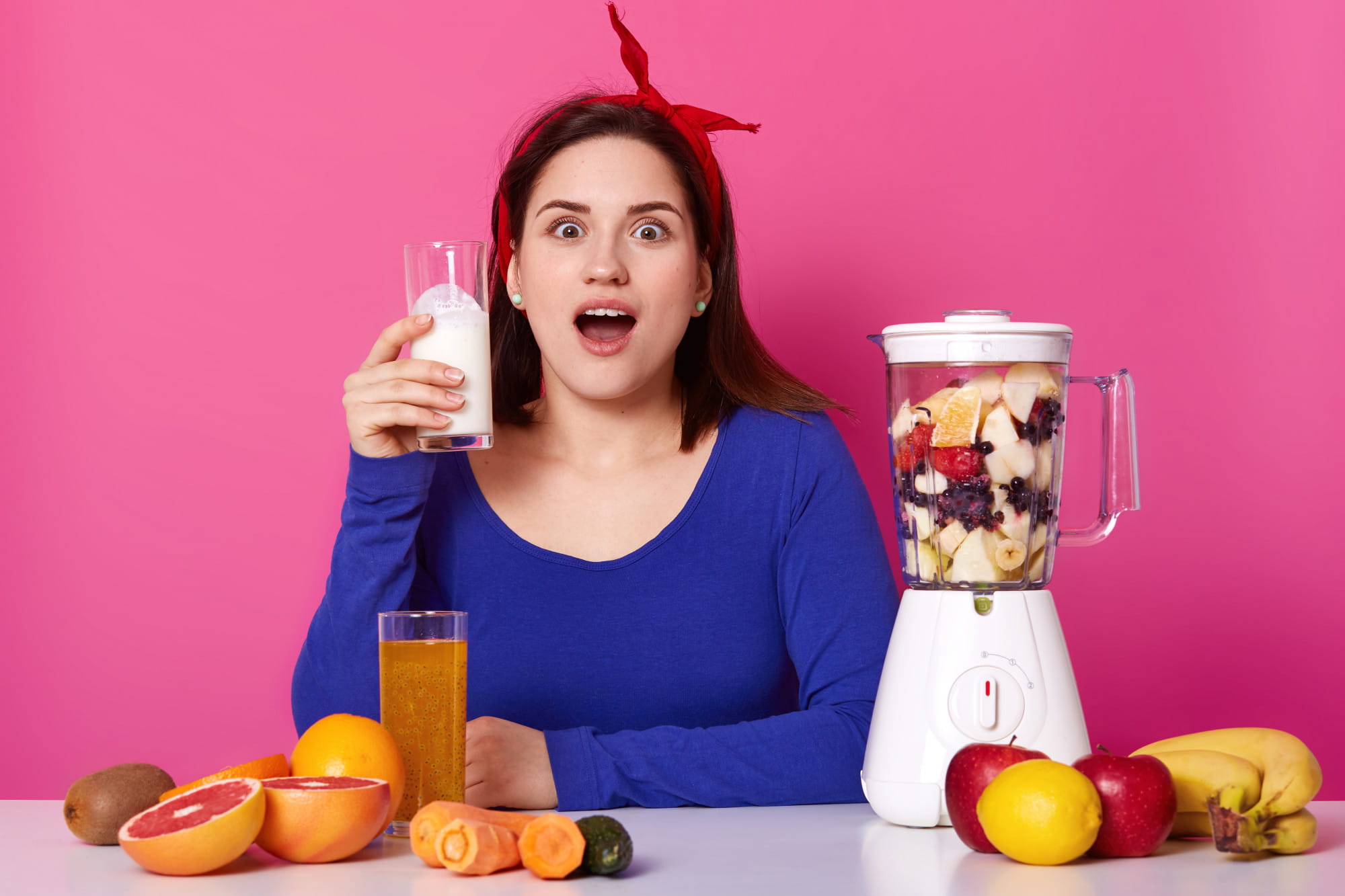
Shakes are one of the most practical, underrated tools for healthy weight gain. Not because they’re magic, but because liquid calories are easier to consume than solid food when you’re not hungry, they’re fast to prepare, and they’re endlessly customisable. This guide walks you through exactly how to use them — from calculating what you actually need, to building a shake that works for your body and routine.
If you have an underlying health condition or history of disordered eating, speak with your GP or a registered dietitian before making significant changes to your diet.
What you’ll need
- A blender (any basic model works)
- A food scale or measuring cups
- A calorie tracking app for the first 2 weeks
- Whole milk, oats, nut butter, or protein powder — your choice of base ingredients
The step-by-step guide
Step 1: Find your calorie baseline before adding anything
The most common mistake people make is adding shakes on top of an already-unknown diet. Before you change anything, spend 3 to 5 days logging what you currently eat as accurately as possible. Use any free calorie tracking app. You’re looking for your average daily intake — and for most people who struggle to gain weight, the number is lower than expected, often by 400 to 600 calories.
Tip: You don’t need to be perfect — you need to be honest. Weigh your portions at least once so your estimates are calibrated, then log by eye from there.
Step 2: Calculate your target surplus
To gain weight steadily without adding excess fat, aim for a calorie surplus of 300 to 500 calories per day above your maintenance level. A rough starting formula: multiply your body weight in pounds by 16 to 18 (depending on how active you are) to estimate maintenance. For example, a 150 lb person with light activity needs roughly 2,400 to 2,700 calories per day to maintain weight — so their gain target is 2,700 to 3,200 calories daily. Your shakes need to help close the gap between where you are now and that target.
Tip: Aim for 0.5 to 1 lb of weight gain per week. Faster than that and a larger proportion will be fat rather than lean mass.
Step 3: Build a shake that actually hits your numbers
A good weight-gain shake has three components: a calorie-dense base, a protein source, and a healthy fat. Here’s a simple formula that delivers around 500 to 600 calories and 35g of protein per serving — without requiring a commercial mass gainer.
Starter weight-gain shake (500–600 kcal)
300ml whole milk (or oat milk for dairy-free)
1 medium banana, frozen
40g rolled oats
1 scoop (30g) whey or pea protein
1 tbsp peanut or almond butter
Optional: 1 tsp honey, pinch of cinnamon
Tip: Blend the oats first on their own for 10 seconds before adding everything else — it prevents a gritty texture and makes the shake noticeably smoother.
Step 4: Time your shakes around natural gaps in your eating
The best time for a weight-gain shake is whenever you’re least likely to eat a full meal. For most people that’s mid-morning (the gap between breakfast and a delayed lunch) or mid-afternoon. Post-workout is also effective if you train, since your muscles are primed for protein and calories. The key is fitting the shake into a gap rather than replacing a meal — you want it to add to your intake, not substitute for it.
Tip: Prepare your shake the night before and store it in the fridge. Blending in the morning is a friction point that causes people to skip it. Remove the friction and the habit sticks.
Step 5: Track your weight weekly and adjust as needed
Weigh yourself on the same day each week, at the same time of day (first thing in the morning works best). Don’t panic if week one shows no change — it can take 2 to 3 weeks for consistent calorie changes to show up on the scale. If after 3 weeks you’ve gained nothing, add another 200 calories per day (a second half-shake, a handful of nuts, or an extra tablespoon of nut butter). If you’re gaining more than 1 lb per week, reduce slightly. The goal is slow, consistent progress.
Tip: Use a 4-week rolling average rather than week-to-week comparisons to filter out water weight fluctuations, which can easily swing 2 to 3 lbs in either direction day to day.
Common mistakes to avoid
Buying a commercial mass gainer as your first move
Mass gainers are heavily marketed but often contain cheap carbohydrate fillers, artificial sweeteners, and ingredients that cause bloating. A whole-food shake built from real ingredients gives you comparable calories with far better digestive tolerance — and you know exactly what’s in it.
Drinking a shake instead of a meal
If your shake replaces lunch rather than supplementing it, you’ve added zero net calories. Track your overall intake for the first few weeks to make sure the shake is genuinely additional, not a swap.
Skipping resistance training
A calorie surplus without a training stimulus will produce weight gain — but a disproportionate amount will be fat rather than muscle. Even two short sessions of bodyweight or resistance training per week makes a meaningful difference to where the extra calories go.
Giving up after one week
Genuine weight gain takes time. Most people see their first meaningful scale movement after 2 to 3 weeks of consistent effort. Changing your approach every few days because the number hasn’t moved is the most reliable way to stall progress.
Conclusion
Using shakes for weight gain isn’t complicated — but it does require knowing your starting point, building a shake that genuinely adds calories rather than replaces them, and giving the process enough time to show results. The people who succeed with this approach aren’t the ones who find the most expensive product. They’re the ones who figure out their gap and close it consistently, one shake at a time.



 Dresses
 T-Shirts
 Tops
Tops Pants
Pants Skirts
 Shorts
 Lingerie
 Sweaters
 Sneakers
 Boots
Boots Canvas
 Heels
Heels Sandals
 Slippers

 Earrings
 Necklaces
 Bracelets
 Rings
Rings Wedding Rings
 Sunglasses
 Watches
 Wrist Watches
 Smartwatches