Sitewide Free Shipping!

How to dress for a wedding as a guest — the complete guide to getting it right every time

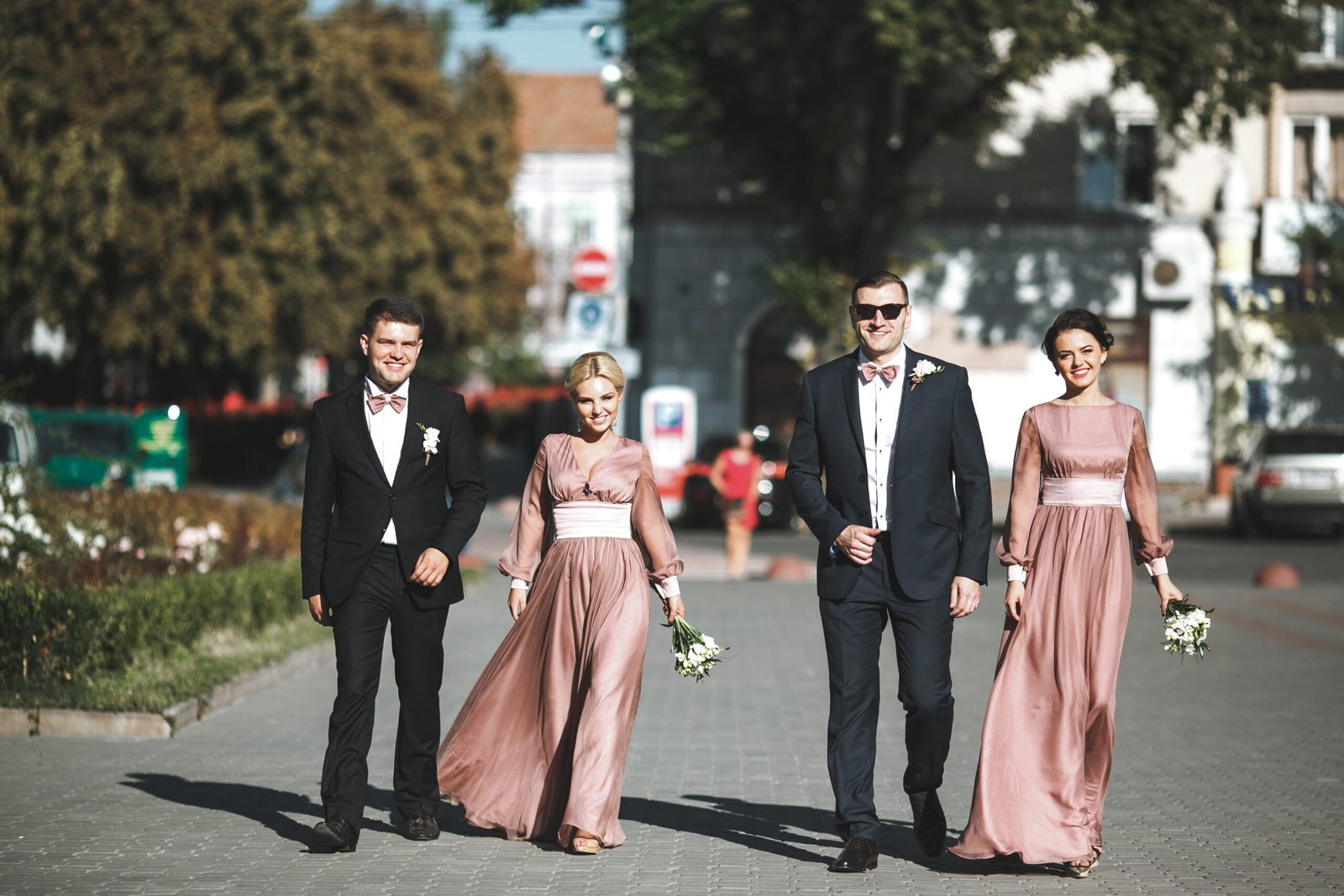
Introduction
Wedding season, at some point in your late 20s and early 30s, becomes a near-permanent fixture in the diary. And with every invitation comes the same low-grade panic: what do you actually wear? Too casual and you feel underdressed in every photo. Too formal and you’ve missed the brief entirely — or worse, upstaged someone you love. The invite says “smart casual.” The venue is a barn. The ceremony is in June. What does any of that actually mean?
This guide walks you through exactly how to decode a dress code, dress for a venue and season, avoid the most common guest mistakes, and build an outfit that photographs well, travels comfortably, and keeps you feeling like yourself from ceremony to last dance.
What you’ll need
The wedding invitation (for dress code clues), knowledge of the venue type and time of year, and a clear sense of the two non-negotiables: what you won’t wear to someone’s wedding, and what makes you feel genuinely good. Everything else this guide will help you figure out.
The step-by-step guide
Step 1: Decode the dress code before anything else
Wedding dress codes range from vague to genuinely confusing — and most people make the mistake of guessing based on instinct rather than looking them up. Here’s what the four most common codes actually mean for guests in their late 20s and 30s.
Black tie
Wear: Floor-length gown, elegant midi, or a formal jumpsuit. Luxe fabrics: satin, velvet, chiffon, crepe.
Skip: Cocktail dresses, anything above the knee, bare casual sandals.
Black tie optional / formal
Wear: Midi or maxi dress, dressy jumpsuit, or a tailored two-piece. You have flexibility — use it.
Skip: Anything you’d wear to a casual dinner or work meeting.
Cocktail / smart casual
Wear: Knee-length to midi dress, tailored trousers with a blouse, or a chic wrap dress. This is the sweet spot most people dress for.
Skip: Jeans, trainers, anything too casual or overly revealing.
Garden / outdoor / casual
Wear: Floral midi, linen dress, soft tailoring. Light, breathable fabrics in seasonal colours.
Skip: Stilettos (grass is not your friend), heavy fabrics, anything that photographs as too formal.
Tip: When in doubt, contact the maid of honour or a mutual friend — not the couple directly. They’ll know the vibe and will be glad you asked rather than guessed wrong.
Step 2: Let the venue and season do half the work
The dress code tells you the formality level. The venue and season tell you the practical requirements. A black-tie wedding in a cathedral in January calls for something very different to a black-tie wedding on a Santorini terrace in August — even though they share the same dress code label. Run through these four variables before settling on anything: Is it indoors or outdoors? Will there be grass, cobblestones, sand, or uneven surfaces? What’s the likely temperature during the ceremony and the reception? Will you be moving between locations? Each one affects fabric choice, shoe choice, and how much coverage you’ll want or need.
Tip: For outdoor summer weddings, prioritise breathable natural fabrics — linen, cotton, lightweight silk or chiffon — over polyester or heavy crepe that will retain heat. For winter indoor ceremonies, a velvet or heavier satin midi is both seasonally appropriate and genuinely warm.
Step 3: Choose a colour with intention — and know the actual rules
The rule about not wearing white is real — but it’s also the only universally agreed-upon colour rule. White, ivory, cream, and champagne are off the table unless the couple has explicitly said otherwise (some do). Everything else — including black — is fair game at most weddings today. Black has shed its old funeral-associated connotations and is now entirely acceptable at formal and evening weddings; it photographs beautifully and works across most seasons. Avoid trying to match or echo the bridal party’s colour scheme if you know it in advance — it’s a minor thing, but it can create awkward photos. Beyond that, choose a colour that photographs well on you and that you feel genuinely confident in — not just one that seems “wedding appropriate” in the abstract.
Tip: If you know the wedding venue or theme (rustic barn, modern city hotel, tropical beach), lean into colours that photograph well in that environment. Dusty rose, sage green, cobalt, and champagne tend to work across most backdrops. Very bright neons or heavily clashing prints can dominate group photos in a way you may not want.
Step 4: Build an outfit that works from 2pm to midnight
Most weddings last between six and ten hours. Your outfit needs to hold up across a ceremony (usually seated, often cool), a drinks reception (standing, outdoor, warmest part of the day), a sit-down dinner (comfortable for an hour or two of eating), and a reception or dancing portion (active, often warm). This means comfort isn’t a nice-to-have — it’s structural. Pick a dress you can actually sit and eat in without the waistband digging in. If you’re wearing heels, they need to be heels you can stand in for an extended period — block heels, wedges, or kitten heels outperform stilettos at almost every wedding. Consider whether you’ll need a layer: a tailored blazer, a light wrap, or an elegant cover-up that adds warmth during the ceremony without disrupting the overall look.
Tip: Pack a small flat or strappy sandal in your bag for the reception if you’re wearing heels. Nobody will notice, and your feet will thank you by hour seven.
Step 5: Accessorise to complete — not to compete
Wedding guest accessorising has one guiding principle: your accessories should elevate your outfit, not fight it or upstage the occasion. A statement earring with a simple dress is a classic combination that works at almost every formality level. A structured clutch or small evening bag is both functional and appropriate — you need somewhere for your phone, lip balm, and the inevitable taxi-booking moment at the end of the night. Jewellery should be chosen based on your neckline: a V-neck works with a pendant or layered chains; a high neck or structured collar works better with ear-focused pieces. Avoid anything that jingles, clanks, or sheds — weddings involve a lot of close contact, hugging, and dancing.
Tip: A fascinator or hat is always welcome at formal and semi-formal UK-style weddings — and almost always out of place at casual or outdoor ones. When in doubt, a simple hair accessory (a claw clip, a jewelled pin, a subtle headband) bridges the gap elegantly.
Step 6: Do a full dress rehearsal the week before
Try the complete outfit — dress, shoes, bag, jewellery, and any undergarment — at least a week before the wedding. Sit down in it. Stand up. Walk across the room. Check: does anything ride up, pull, gap, or restrict movement? Do the shoes need breaking in? Does the dress need steaming or pressing? Is there anything you’d want to swap? Discovering a problem the morning of the wedding is stressful. Discovering it a week before gives you time to fix it, exchange something, or find an alternative. This step takes 20 minutes and saves significant anxiety.
Tip: Take a photo of the full outfit in good natural light. This tells you more about how it photographs than any mirror can — and gives you a reference if you’re second-guessing the look on the day.
Common mistakes to avoid
Wearing white, ivory, or cream in any form
This includes off-white prints, white floral patterns on a light base, and “it’s technically champagne” outfits that read as white in photos. Unless you’ve been told explicitly it’s fine — don’t.
Prioritising the photo over comfort
A stunning dress that you spend all day adjusting, can’t eat in, or can’t dance in is the wrong choice — however good it looks in the ceremony shots. You’ll remember how you felt far longer than you’ll remember how you looked.
Leaving shoe choice too late
New shoes worn for the first time at a wedding are a reliability risk. Break them in with at least two wears beforehand, or choose a pair you already know is comfortable. Wedding venues — particularly old ones — often have unexpected flooring, stairs, and outdoor sections that punish shoes you haven’t tested.
Over-dressing or under-dressing relative to the couple’s style
If you know the couple well, factor in their personal aesthetic. A fashion-forward couple throwing a creative wedding may love a bold look. A more traditional couple may prefer guests to dress conventionally. This isn’t about censoring yourself — it’s about reading the room.
Honourable mentions
- Bring a portable stain remover pen — six hours and a buffet dinner later, you’ll be glad you did.
- Check the weather forecast three days before, not three weeks before. Have a backup plan for rain if the reception is outdoors.
- If you’re travelling to the wedding, hang your dress on arrival — don’t leave it folded in a suitcase. Steaming out creases the morning of a wedding is stressful and avoidable.
Conclusion
Dressing for a wedding as a guest is one of those tasks that feels disproportionately complicated until you have a framework for it. Decode the dress code first. Let the venue and season shape the practical requirements. Choose colour with intention, build for comfort across a long day, and do a full rehearsal early enough to fix anything that’s off. Do those five things and you’ll walk in feeling confident — which is, ultimately, the only thing that actually shows in the photographs.


 Dresses
 T-Shirts
 Tops
 Pants
 Skirts
 Shorts
 Lingerie
 Sweaters

 Sneakers
 Boots
 Canvas
 Heels
 Sandals
 Slippers


 Earrings
 Necklaces
 Bracelets
 Rings
 Wedding Rings


 Sunglasses
 Watches
 Wrist Watches
 Smartwatches